Understanding Running Boards: The Basics
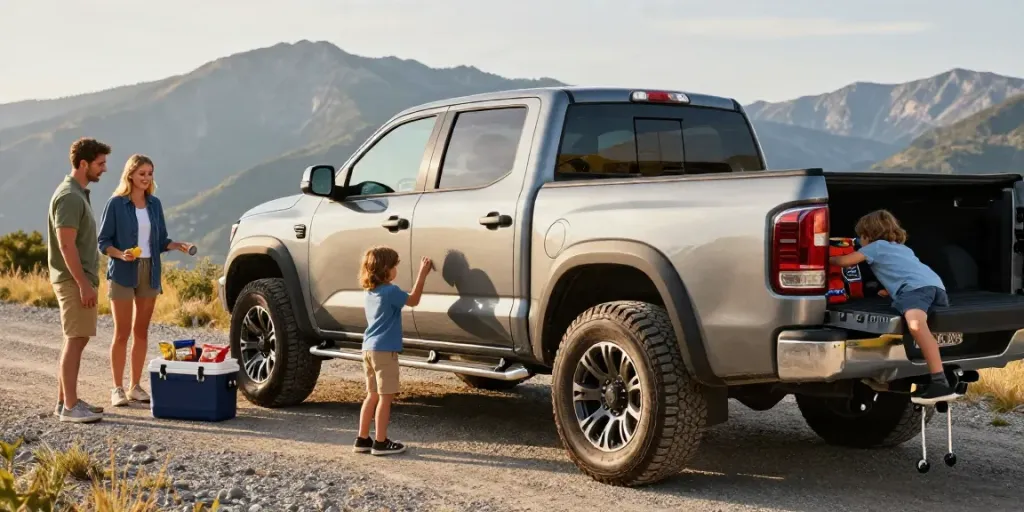
When it comes to enhancing the functionality and aesthetics of your truck, running boards play an essential role. These durable side steps not only facilitate easier access into your vehicle, especially for lifted trucks, but they also contribute to a more rugged appearance. Given the diverse driving conditions in Canada, selecting the right running boards can significantly improve both convenience and safety, making them a worthwhile investment for any truck owner.
What Are Running Boards and Their Purpose?
Running boards are flat, elongated steps installed along the sides of a truck. They are designed to provide a sturdy platform for passengers to enter and exit the vehicle. Particularly advantageous for lifted trucks, running boards help reduce the step height, thereby adding convenience while increasing safety. In addition to their functional benefits, they also enhance the visual appeal of the truck, creating a cohesive, rugged look that complements various styles.
Key Benefits of Installing Running Boards
- Improved Accessibility: Running boards offer a boost, making it easier for passengers, especially children and the elderly, to climb into the vehicle without straining themselves.
- Enhanced Safety: They provide a non-slip surface that reduces the chances of slipping while entering or exiting the truck, particularly in wet or icy conditions.
- Vehicle Protection: Running boards can protect the lower body of your truck from mud, rocks, and other road debris, preserving the integrity of the vehicle.
- Aesthetic Appeal: Available in various styles and finishes, running boards can improve the truck's overall look, offering a more customized appearance.
Common Materials Used in Running Boards
Running boards are typically made from one of two primary materials: aluminum or carbon steel. Each material has its advantages and suitability depending on the user’s needs.
- Aluminum: Lightweight and resistant to corrosion, aluminum running boards are ideal for those looking for easy-to-handle options and enhanced performance in wet climates.
- Carbon Steel: Known for its strength and durability, carbon steel running boards are often preferred for heavier-duty applications and can support greater weights, making them ideal for work trucks.
Choosing the Right Running Boards for Your Truck
Factors to Consider When Selecting Running Boards
When selecting running boards, various factors play a crucial role in determining the best fit for your truck:
- Truck Model: Ensure that the running boards are compatible with your truck’s make and model for proper fitment.
- Height of the Vehicle: Consider the height of your truck; running boards should provide a suitable step height for ease of access.
- Weight Capacity: Evaluate the weight capacity of the running boards, especially if multiple passengers are frequently using them.
- Style Preferences: Choose a style that aligns with your truck's design and your personal aesthetic preferences.
Aluminum vs. Carbon Steel: Pros and Cons
When choosing between aluminum and carbon steel running boards, it’s essential to weigh the pros and cons:
- Aluminum:
- Carbon Steel:
How to Match Running Boards to Truck Styles
Matching running boards to your truck’s style involves considering both aesthetic elements and functionality. For example:
- For Off-Road Trucks: Look for running boards designed with rugged, textured surfaces that provide additional grip.
- For Luxury Trucks: Choose sleek, polished aluminum boards that enhance the truck's upscale appearance.
- For Work Trucks: Opt for robust, heavy-duty options constructed from carbon steel that can withstand the wear and tear of job sites.
Installation Tips for Running Boards
Tools and Equipment Needed for Installation
Installing running boards can be a straightforward DIY project if you have the right tools. Here’s what you’ll need:
- Socket wrench set
- Drill and drill bits (if required for your truck type)
- Level to ensure proper alignment
- Safety glasses and gloves
Step-by-Step Guide to Installing Running Boards
- Read the Instructions: Always start by reviewing the manufacturer’s installation manual.
- Position the Brackets: Attach the mounting brackets according to your truck’s specifications.
- Align the Running Boards: Place the running boards on the brackets and align them using a level.
- Secure the Boards: Use bolts and screws to securely attach the running boards to the brackets.
- Check Stability: Ensure that the boards are stable and properly aligned before use.
Common Mistakes to Avoid During Installation
To ensure a successful installation, avoid these common pitfalls:
- Neglecting to read the installation manual thoroughly.
- Failing to check for the correct fitment on your specific truck model.
- Using inadequate tools, leading to improper installation.
- Not securing bolts tightly, which could jeopardize safety.
Maintaining Your Running Boards
Best Cleaning Practices for Longevity
To keep your running boards looking great and functioning well, regular maintenance is essential. Here are some cleaning tips:
- Use a mild soap solution with water to avoid damaging the surface finish.
- Rinse thoroughly after washing to remove soap residue.
- For aluminum boards, apply a protective coating to prevent oxidation.
How to Protect Running Boards from the Elements
Weather conditions can impact the durability of running boards. Here are some protective measures:
- Park in shaded areas or garages to minimize UV damage.
- Consider using covers during extreme weather conditions, such as heavy rain or snow.
- Check for rust or damage regularly, and treat them promptly if found.
When to Replace Your Running Boards
Over time, running boards can wear out. Here are signs that indicate it might be time for a replacement:
- Visible rust or corrosion affecting safety.
- Cracks or breaks in the boards.
- Decreased grip or non-slip surface integrity.
Future Trends in Running Boards for 2026
Innovative Features to Look For
As technology continues to evolve, running boards are not exempt from innovation. Expect to see features such as:
- Automatic retractable boards that deploy when the door opens.
- Integrated LED lighting highlighting the step area for improved safety at night.
- Customizable colors and styles that sync with vehicle technology.
Eco-Friendly Materials and Designs
With sustainability becoming a priority, future running boards will likely incorporate:
- Recycled materials that reduce environmental impact.
- Biodegradable coatings to minimize ecological footprints.
The Rise of Smart Running Boards: What to Expect
In the near future, smart technology may revolutionize running boards. Features might include:
- GPS tracking for vehicle security.
- Integration with other vehicle systems to enhance functionality.